Mangal House · Furniture Design Comparison Dossier · March 26, 2026

Compare three whole-house directions before you commit.

This version of the dossier is designed as a decision tool, not just an inspiration board. Instead of treating the house as one fixed style, it compares three coherent design languages across the rooms that matter most: drawing room, family living, dining, bedrooms, mandir, study, and terrace.

The three languages compared here are: Warm Modern Indo-Contemporary, Soft Japandi Natural, and Tailored Contemporary Luxury. Each one is mapped back to the house, translated into furniture choices, and evaluated with pros, cons, and practical trade-offs.

The goal is not to pick the prettiest room image in isolation. The goal is to understand which language can stay beautiful, practical, and coherent across the entire house.
House Map

The comparisons are mapped to the actual floor program, not guessed in the abstract.

The room comparisons in this dossier are anchored to FURNITURE LAYOUT-1.pdf, the conceptual furniture set dated August 2, 2024. That gives a usable room map for design decisions: the first floor carries the main public identity, the second floor becomes quieter and more private, and the terrace level should feel lighter and more outdoor-oriented.

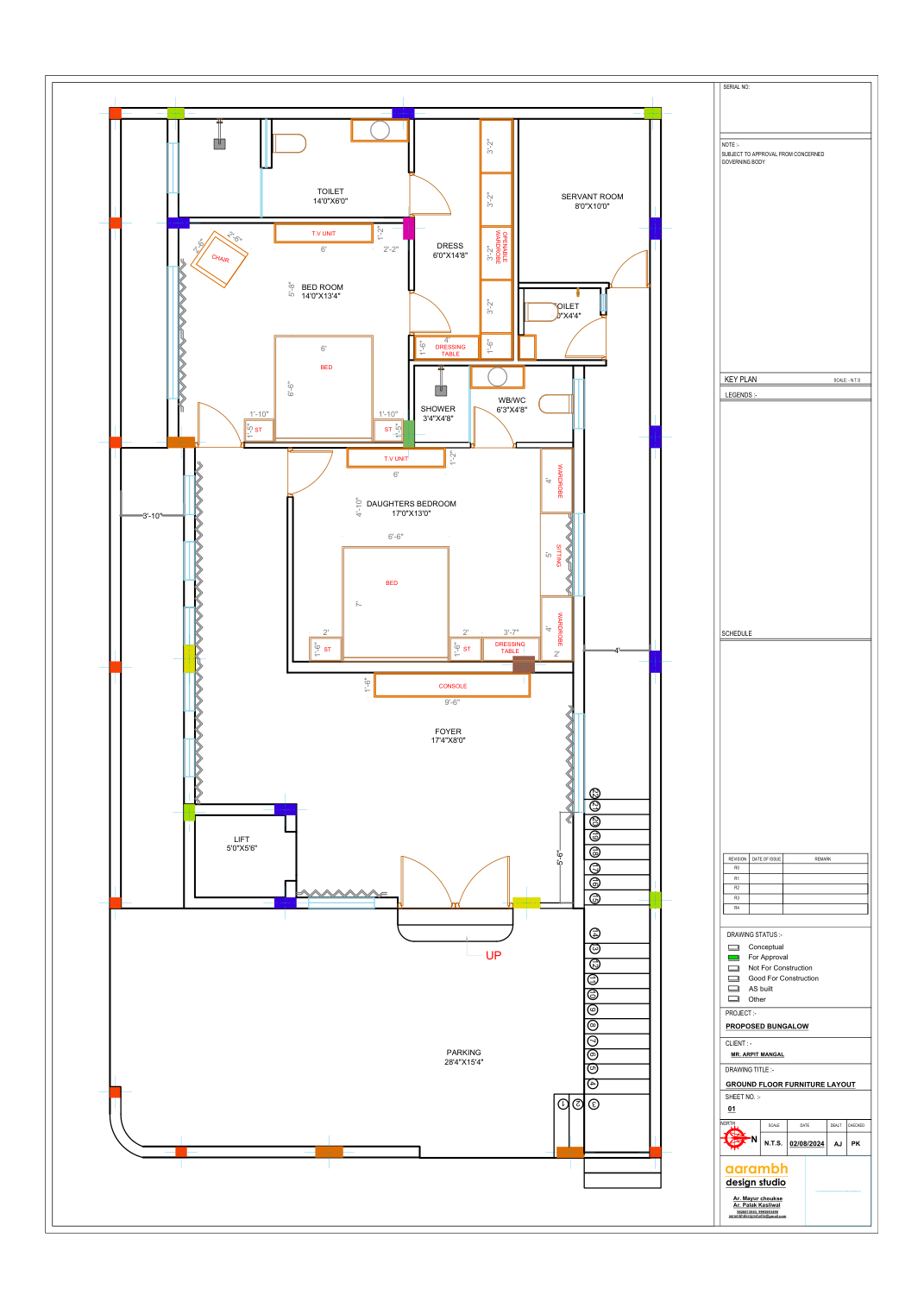
Ground floor conceptual furniture layout
Ground Floor Private + Arrival

Parking, foyer, bedrooms, and arrival spaces

  • The conceptual plan shows parking, foyer, servant room, one bedroom suite, and a large front room labeled as daughter’s bedroom.
  • This floor should stay quieter, more durable, and less stylistically formal than the entertaining floors above.
  • Design implication: lighter wardrobes, softer bedroom detailing, and practical furniture that does not feel ceremonial.
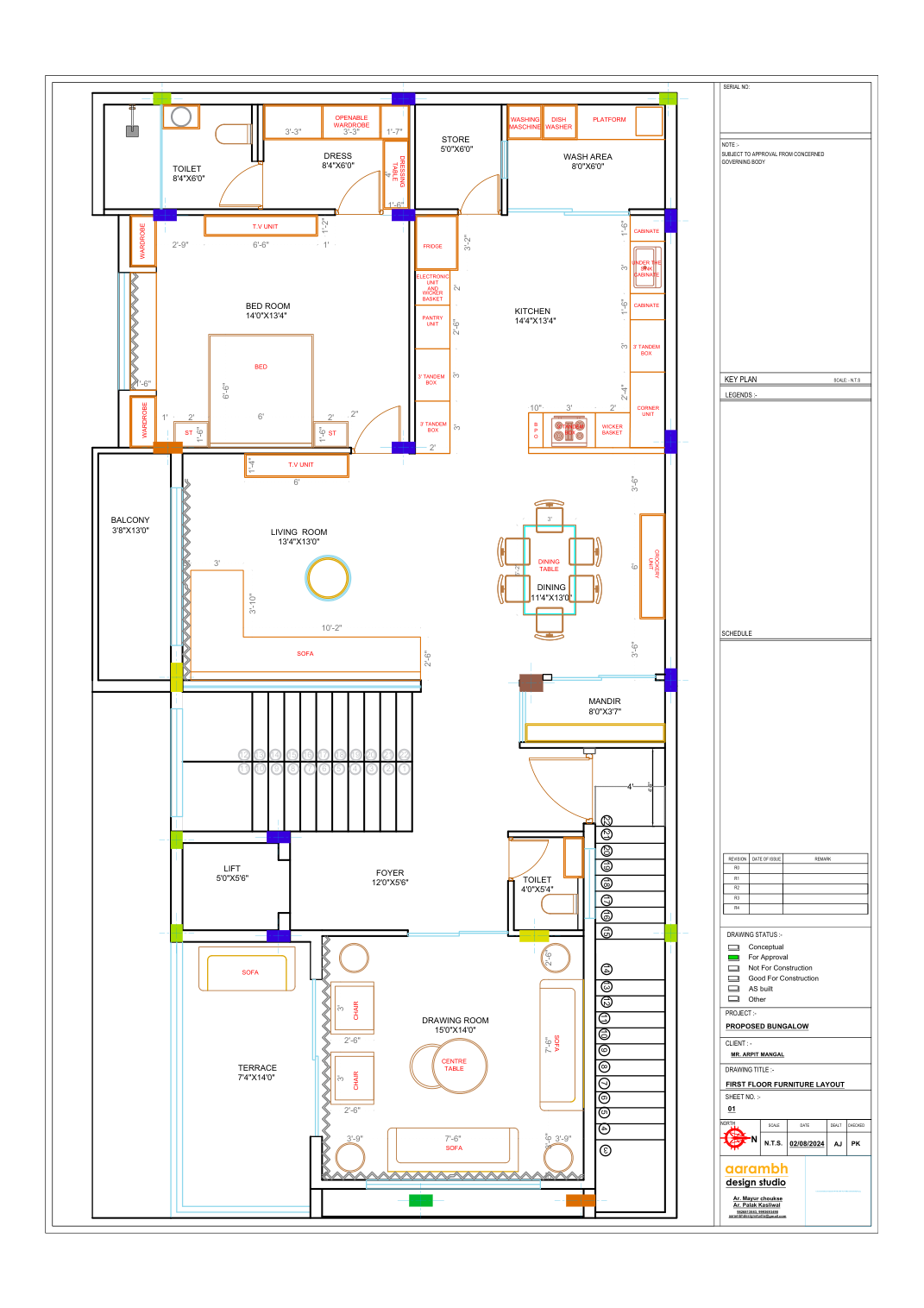
First floor conceptual furniture layout
First Floor Public Core

Drawing room, living, dining, kitchen, mandir

  • This is the most style-defining level in the house, with drawing room, living room, dining, kitchen, mandir, and a bedroom suite.
  • If there is one floor that should feel the most composed and intentional, it is this one.
  • Design implication: this is where Warm Modern or selective Luxury cues make the strongest case.
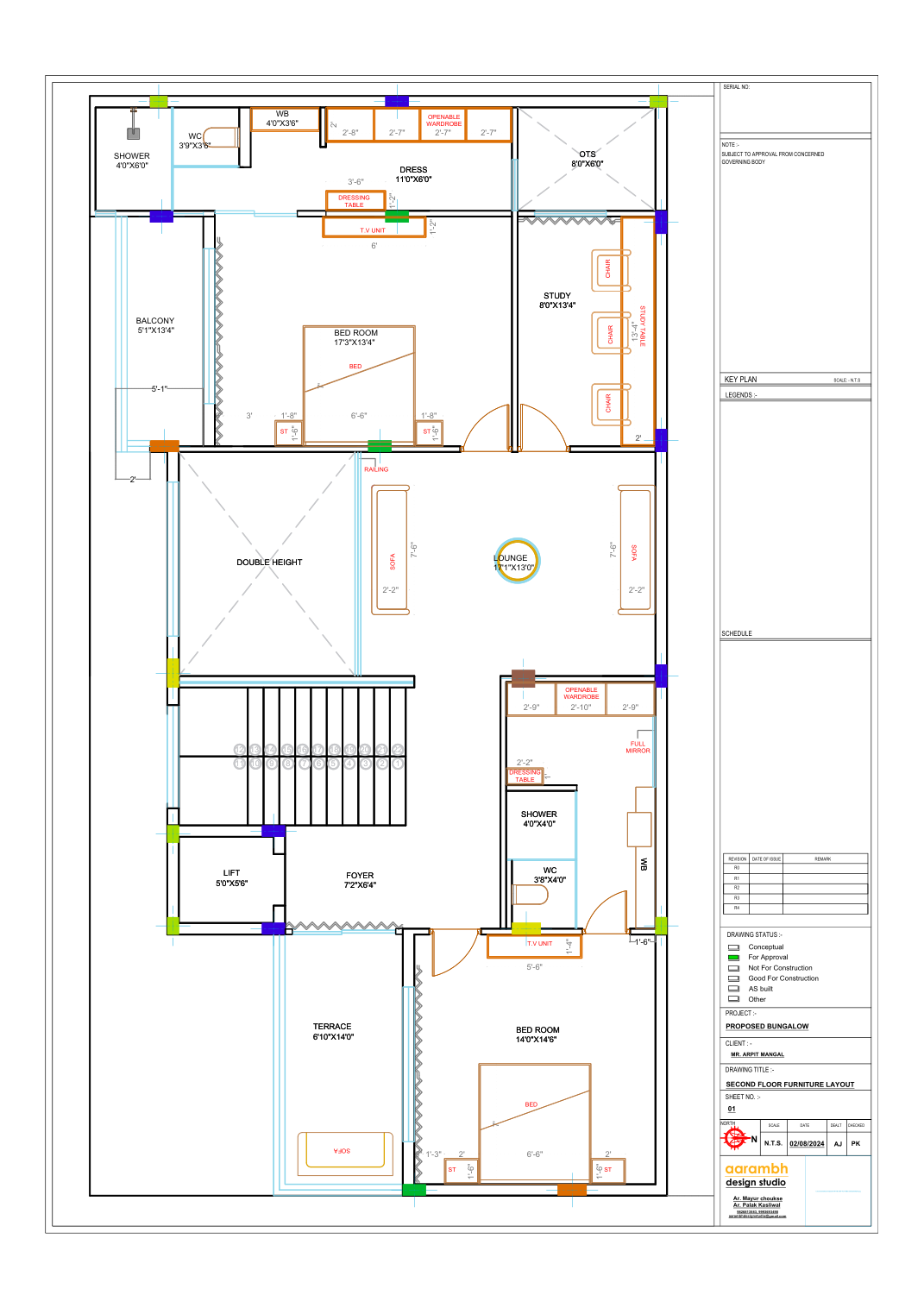
Second floor conceptual furniture layout
Second Floor Retreat + Study

Bedroom, lounge, study, and terrace edges

  • The second-floor sheet shows lounge and study zones beside bedrooms and terrace/balcony edges.
  • This level benefits from calmer furniture language than the first floor, with more emphasis on rest, reading, and focus.
  • Design implication: Japandi restraint is strongest here, especially in bedrooms, study joinery, and the lounge.
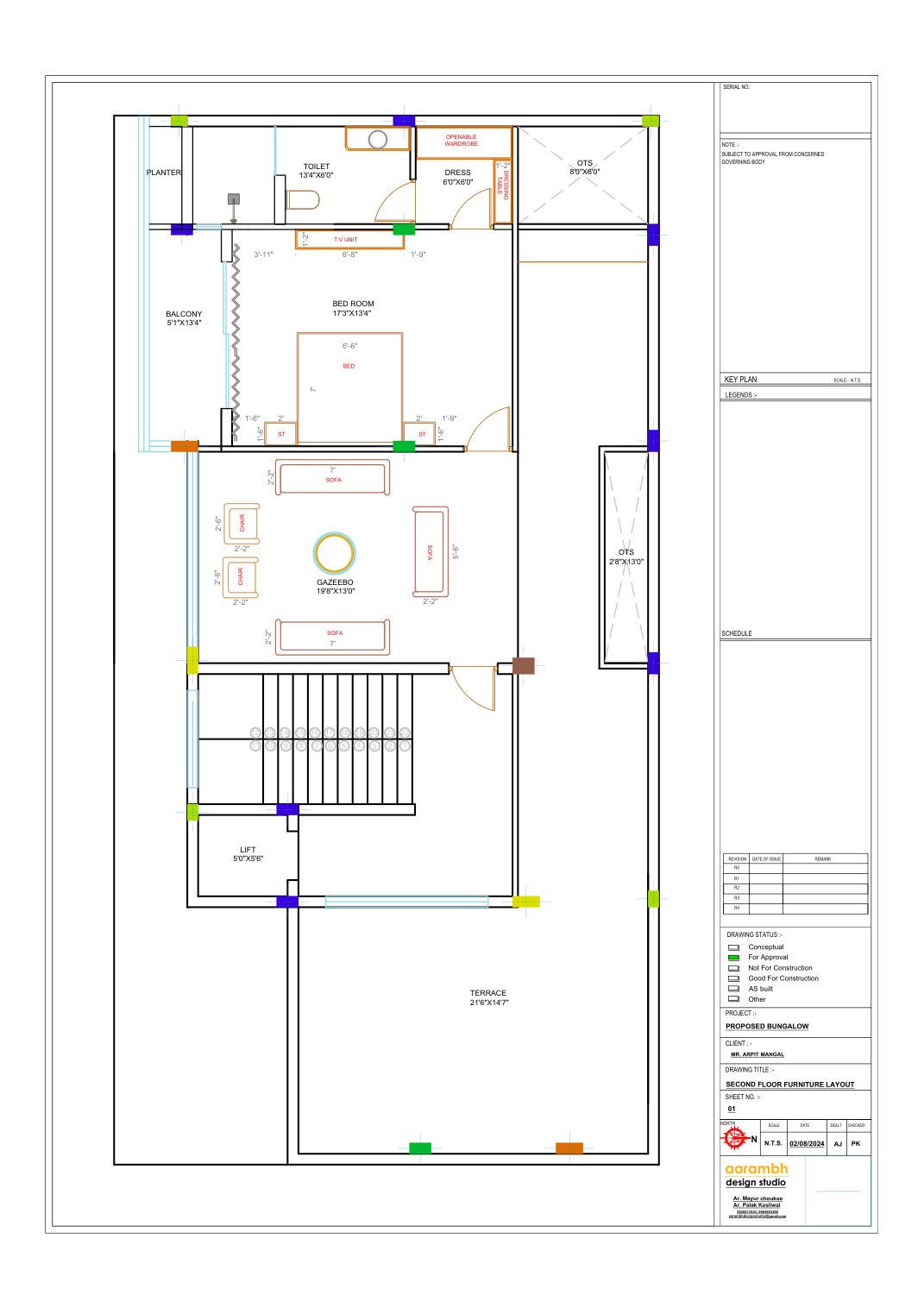
Terrace floor conceptual furniture layout
Terrace Level Outdoor + Gazebo

Large terrace, gazebo, and upper bedroom suite

  • The top level includes a large terrace, gazebo, and one additional bedroom suite.
  • This floor should feel visually related to the interior but not as heavy as the public indoor rooms.
  • Design implication: resort-like Warm Modern or lighter Japandi outdoor cues usually fit better than full formal luxury.
Accuracy Note
  • This dossier uses the August 2, 2024 furniture layout as the room-mapping base because it names the core furniture zones most clearly.
  • Later 2025 electrical drawings may rename or refine some rooms. For example, one large ground-floor front room is renamed in later drawings.
  • For that reason, the style recommendations here should be read as design-language guidance, not final execution drawings.
Source Method
  • Project room logic comes from local project documents first; web references are used only as visual style anchors.
  • The image sources are inspiration pages, portfolios, or stock references, not exact products or guaranteed material schedules.
  • The goal is to compare coherent directions across the whole house before moving into procurement or joinery detailing.
Whole-House Languages

Three viable paths for the entire house.

These are not minor palette tweaks. Each option changes the tone of the house, the shape language of the furniture, the amount of visual formality, and the kind of carpentry detailing that will look correct.

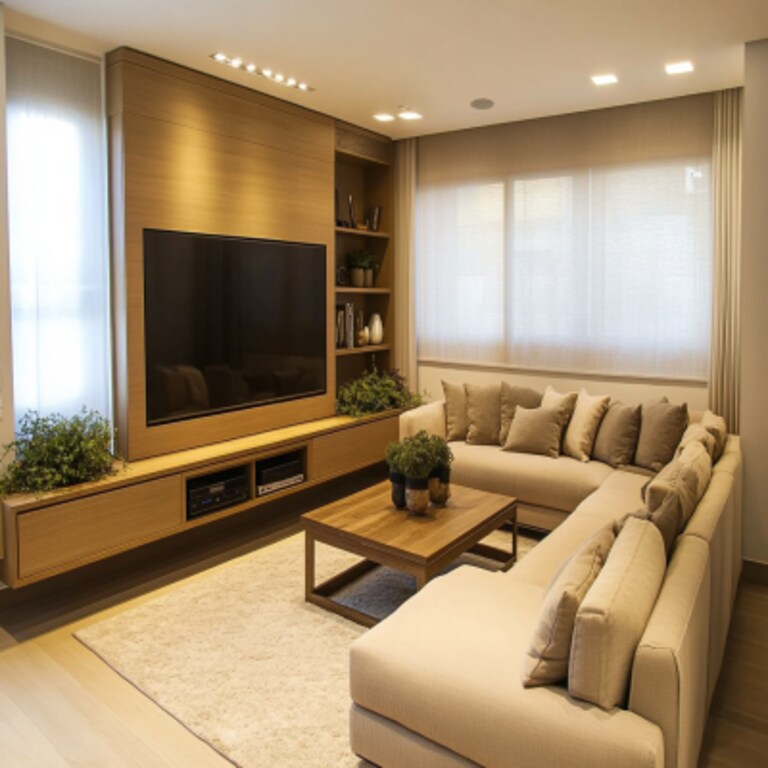
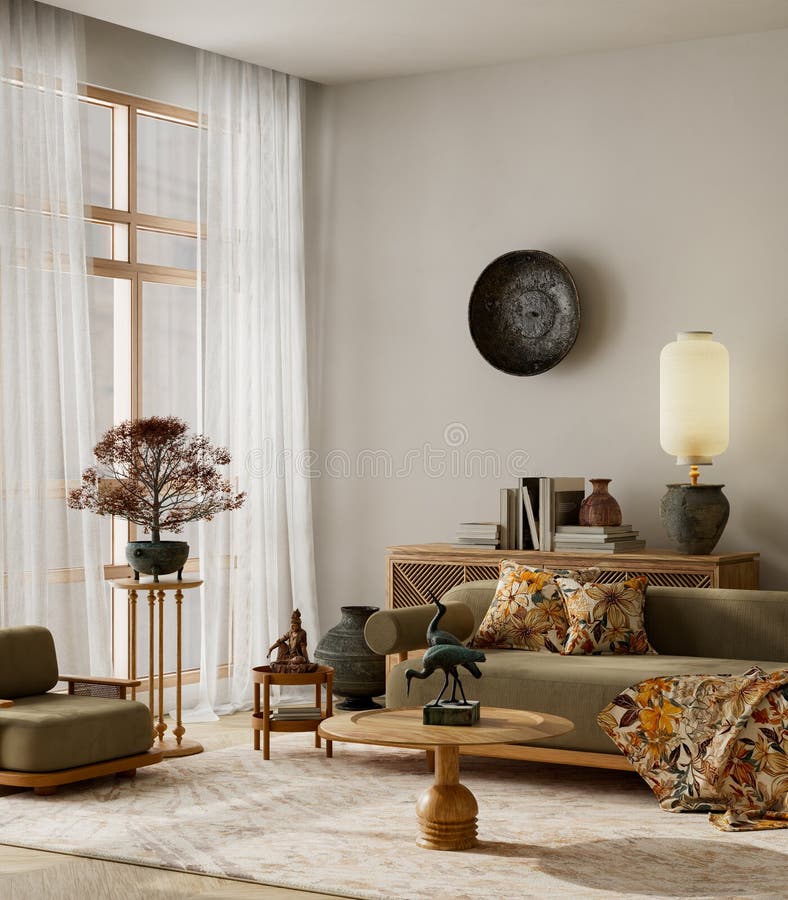
Warm modern beige and wood living room reference
Language A Recommended

Warm Modern Indo-Contemporary

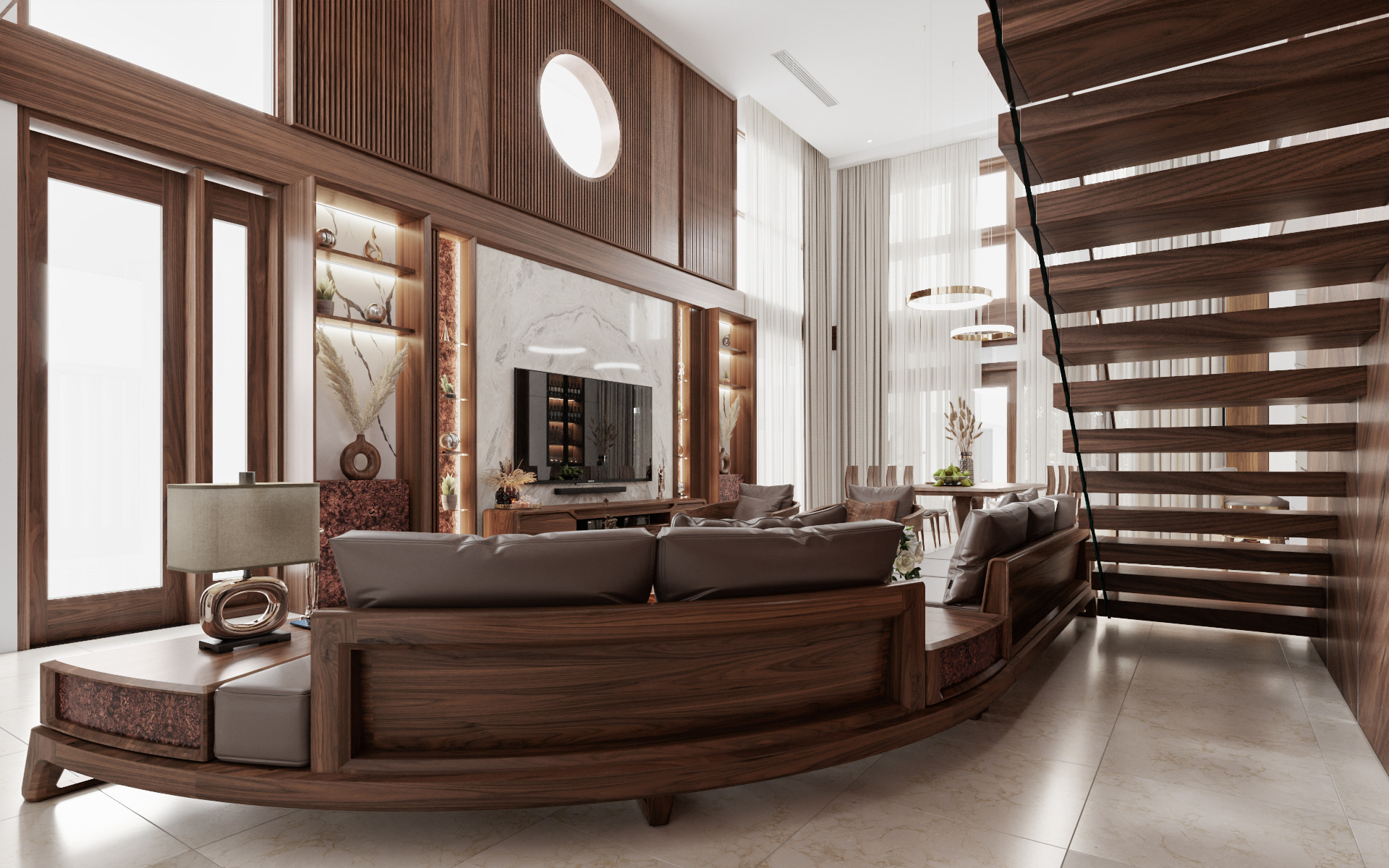
Walnut-toned wood, soft beige upholstery, light stone, and a few Indian craft cues through fluting, brass, or mandir detailing. This is the most balanced path between warmth, elegance, and livability.

Pros
  • Most naturally suits a mixed-use G+3 family house with both formal and relaxed spaces.
  • Allows the drawing room to feel elevated without making bedrooms or study too heavy.
  • Easy to execute through custom joinery, upholstery, and stone without relying on gimmicks.
Cons
  • If handled carelessly, it can slide into a safe “beige luxury” look without enough identity.
  • Needs discipline with wood tone and brass use to avoid looking patchy.
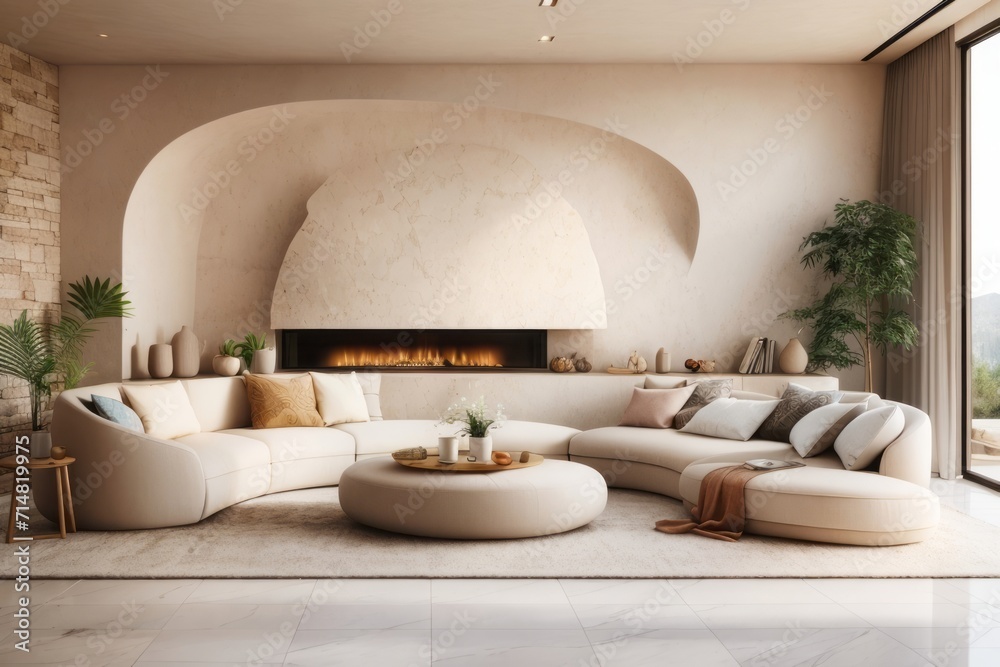
Japandi living room reference
Language B Calmest

Soft Japandi Natural

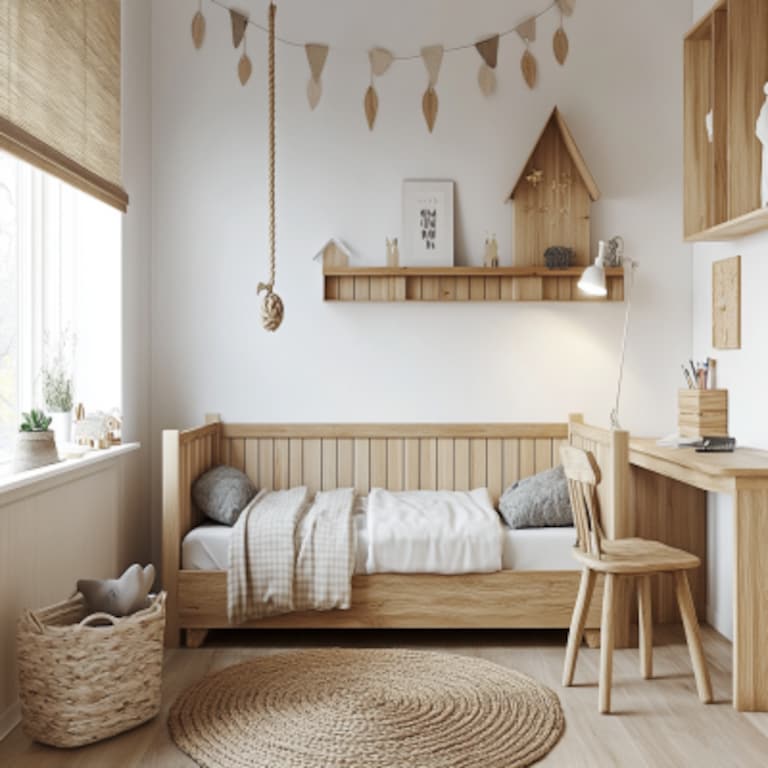
Lighter wood, linen-like fabrics, minimal silhouettes, more breathing space, and gentler contrast. This route is about visual calm, not richness.

Pros
  • Beautiful for bedrooms, study, mandir, and any room where serenity matters more than display.
  • Strong long-term timelessness if you like quiet, uncluttered interiors.
  • Reduces visual fatigue across many rooms.
Cons
  • Can underplay the formality of the drawing room and dining if not carefully elevated.
  • Too much pale wood and beige can flatten the house if the detailing is weak.
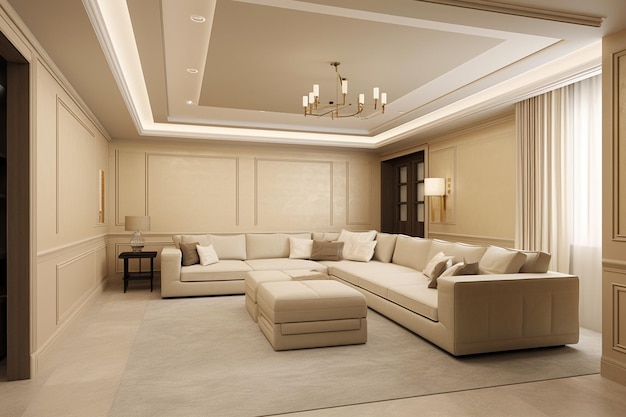
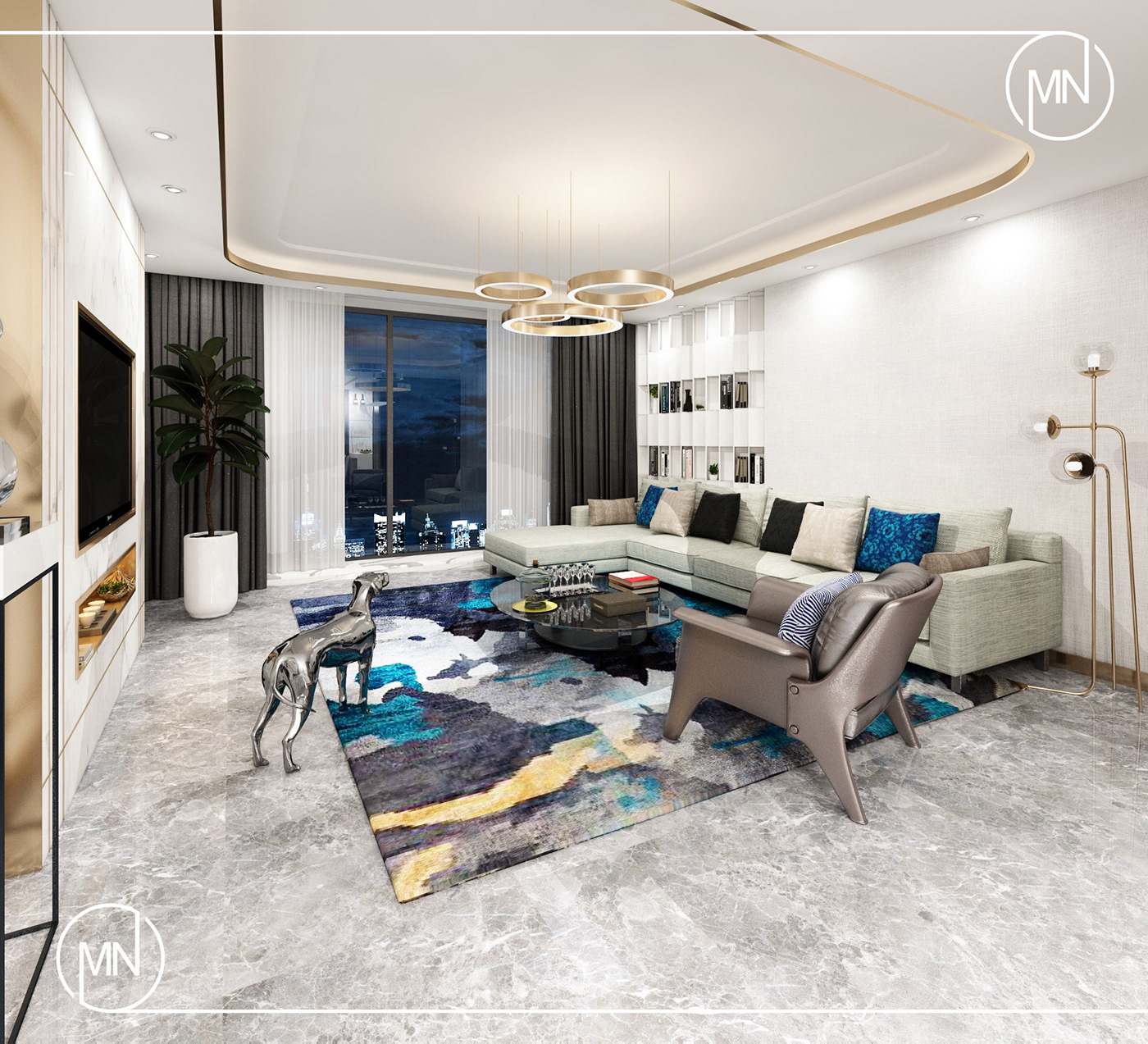
Tailored luxury drawing room reference
Language C Most Formal

Tailored Contemporary Luxury

Deeper paneling, richer walnut, cleaner marble expressions, more architectural formality, and a slightly stronger sense of occasion in the public rooms.

Pros
  • Very strong for drawing room, dining, luxury guest experience, and richer first-floor entertaining.
  • Creates a more visibly premium look if executed with good joinery and lighting.
  • Pairs well with marble, arches, and brass in the mandir.
Cons
  • Easier to make heavy, costly, or over-composed if carried through every room.
  • Needs more care in bedrooms and study so the house does not feel too formal or hotel-like.
Decision Matrix

Compare the whole-house implications before comparing rooms.

The matrix below matters because a style can look attractive in one image but become impractical or inconsistent at house scale.

Criterion Warm Modern Indo-Contemporary Soft Japandi Natural Tailored Contemporary Luxury
Formality level Medium-high
Formal enough for guests, relaxed enough for daily family use.
Medium
More serene than formal; can feel understated in public rooms.
High
Best for a visibly premium entertaining mood.
Visual calm High
Calm if stone, brass, and wood are kept restrained.
Very high
Strongest quietness and least visual clutter.
Medium
Can look composed, but easier to over-style.
Material warmth High
Walnut, textured neutrals, and light stone balance warmth well.
High
Warm through pale wood and textiles rather than richness.
Medium-high
Warmer than cold luxury, but still more polished than cozy.
Carpentry complexity Medium
Needs good joinery discipline, but not excessive ornament.
Medium
Looks simple, but proportions must be excellent to avoid blandness.
High
More paneling, alignment, detailing, and material transitions to get right.
Maintenance risk Medium
Manageable if fabrics and stones are chosen well.
Low-medium
Minimal detailing helps, though pale surfaces still need care.
Medium-high
More decorative surfaces and stronger material contrast increase upkeep.
Best floors Works across all floors with minor tone shifts. Best on second floor, bedrooms, study, and calmer areas. Best on first floor, drawing room, dining, and a more formal mandir.
Risk if overused Can become “pleasant but generic” if no sharp editing. Can become too quiet, pale, or under-furnished. Can become heavy, expensive-looking in a dated way, or too hotel-like.
Best fit for this house Strongest whole-house default. Best as a selective influence in private rooms. Best as a selective influence in formal public zones.
Drawing Room

How formal should the house feel when guests first sit down?

The drawing room sets the tone for the entire project. It is the place where Japandi risks becoming too soft and luxury risks becoming too staged.

Warm modern drawing room reference
Warm Modern

Balanced beige-and-walnut formality

Two tailored sofas or one sofa plus two accent chairs, a low rounded centre table, and a warm joinery wall.

Pros
  • Feels guest-ready without becoming stiff.
  • Easy to connect visually with dining and family living.
Cons
  • Needs one strong visual signature so it does not look merely safe.
Japandi drawing room reference
Soft Japandi

Low contrast, softer edges, lighter wood

Curvier seating, quieter wall treatment, lighter timber, and more negative space between pieces.

Pros
  • Very calming and visually sophisticated when done well.
  • Less showy, more timeless if you dislike formal “display rooms.”
Cons
  • May not feel formal enough for a house with a dedicated drawing room.
  • Requires extremely good proportions to avoid looking under-furnished.
Luxury drawing room reference
Tailored Luxury

Paneled walls, richer seating, stronger symmetry

More defined wall molding or paneling, deeper tailored upholstery, and a stronger sense of occasion.

Pros
  • Most aligned with a visibly formal guest space.
  • Can make the first floor feel distinctly more premium.
Cons
  • Easy to overdo in a way that dates quickly.
  • If repeated everywhere, the whole house becomes too serious.
Family Living

Where should the house feel warmest and most lived in?

The family living room should be more relaxed than the drawing room, but it still has to sit comfortably beside the dining and circulation zones.

Warm modern family living reference
Warm Modern

Walnut warmth with clean family-friendly seating

Long horizontal media wall, neutral sofa, and one stone or mixed-material centre table.

Pros
  • Feels rich but usable.
  • Best bridge between public elegance and everyday comfort.
Cons
  • Needs tight editing so walnut surfaces do not visually dominate.
Japandi family living reference
Soft Japandi

Lower, calmer, and more breathable

Low sofa profile, natural textures, lighter tables, and more open floor area around the seating group.

Pros
  • The calmest and most restful version of the family room.
  • Excellent if you prefer visual quiet over “showroom” energy.
Cons
  • Can feel too understated if the adjoining spaces are richer.
  • Needs careful rug, lighting, and art choices to avoid feeling empty.
Luxury family living reference
Tailored Luxury

Full-height visual drama and higher formality

Richer wall composition, more layered upholstery, and a more curated centre of gravity.

Pros
  • Creates the most obviously premium first impression.
  • Works well if you want the entire first floor to feel elevated.
Cons
  • Harder to keep relaxed for real family use.
  • More likely to age visually if every detail becomes “designed.”
Dining Room

Dining should feel architectural, not just furnished.

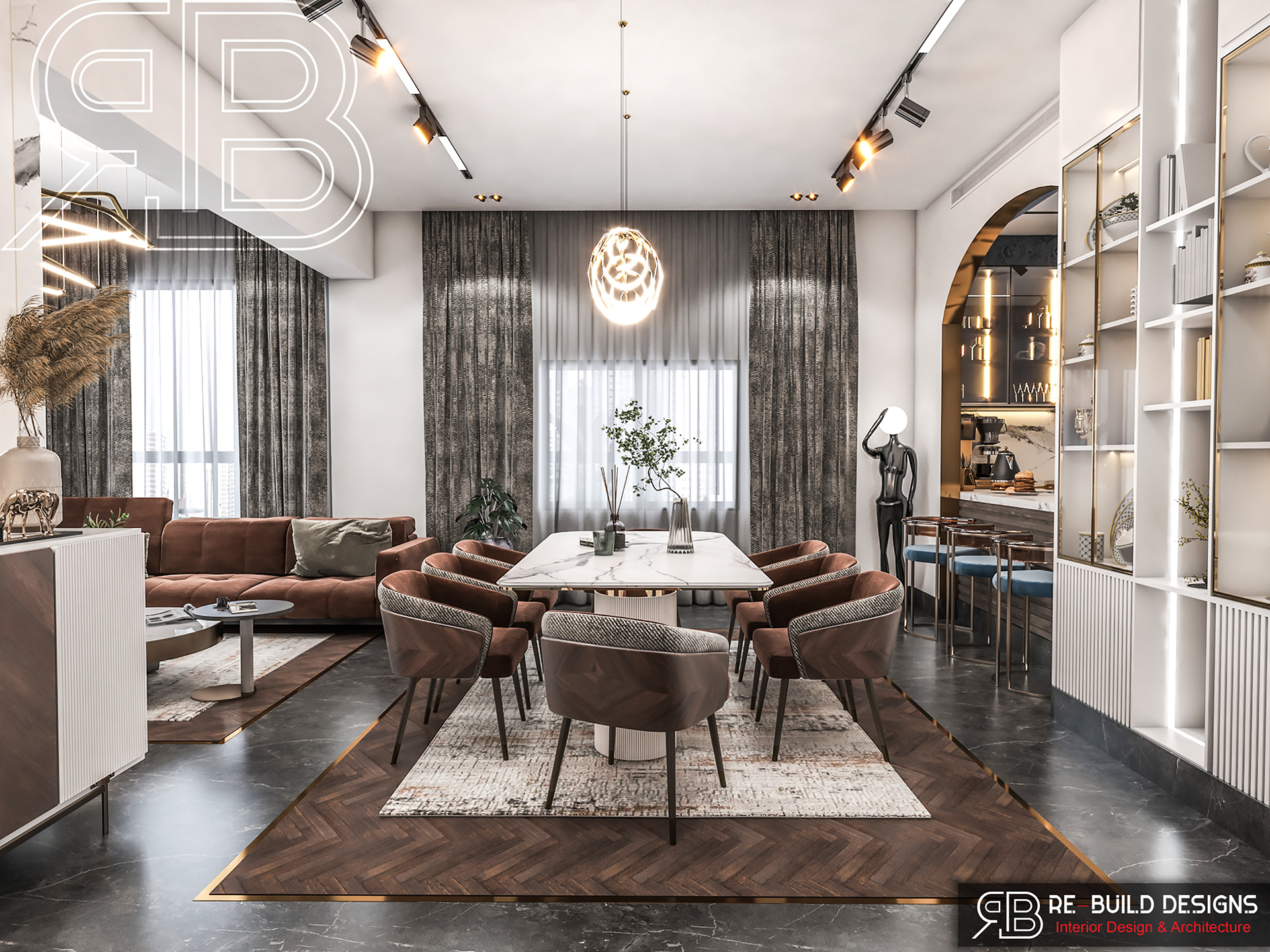
Dining is where the table, chairs, lighting, and backdrop have to work as one composition. Small style mistakes read very clearly here.

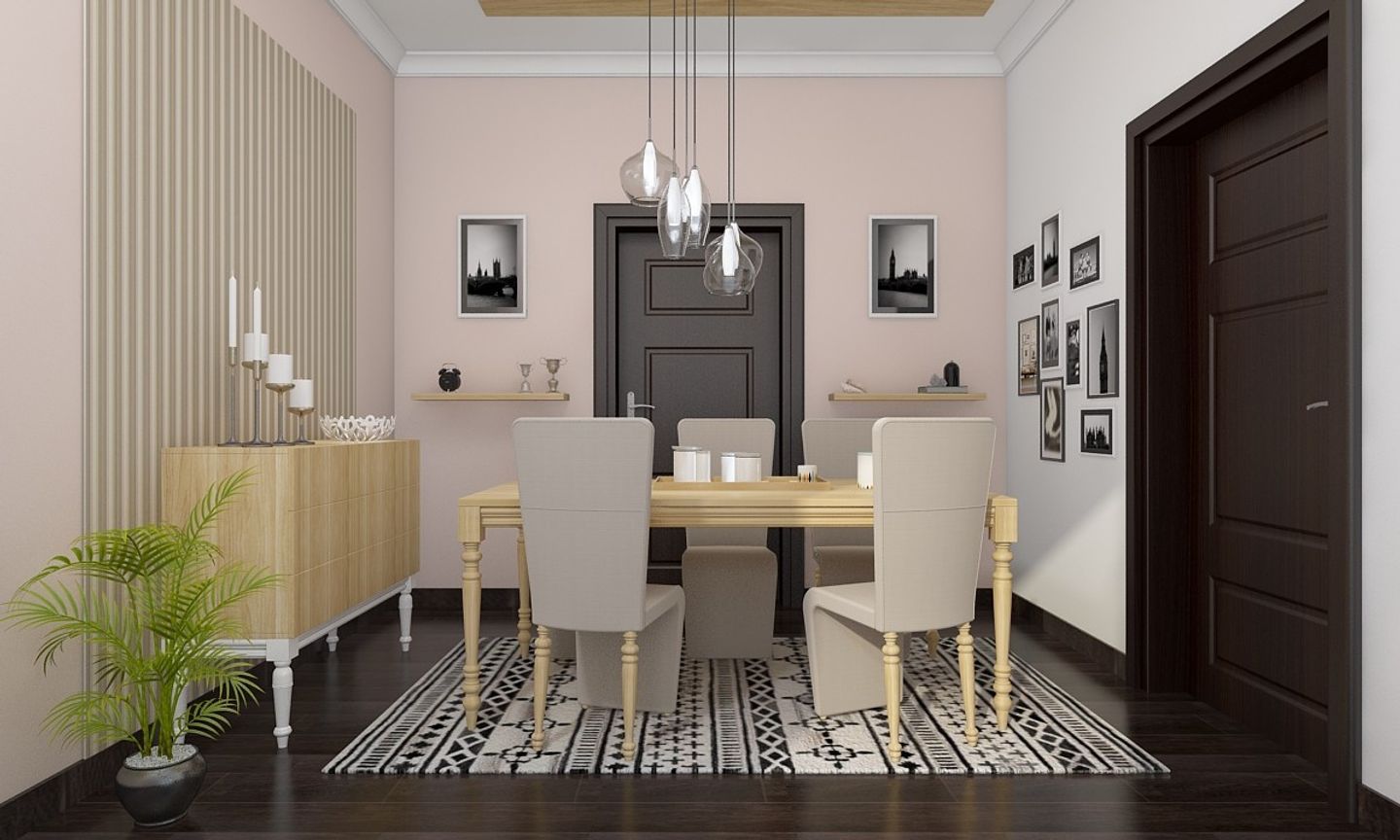
Warm modern dining room reference
Warm Modern

Walnut table, upholstered chairs, disciplined backdrop

Oval or softened-rectangle table, upholstered beige chairs, and a wall treatment that supports the table rather than competing with it.

Pros
  • Most balanced for both daily meals and formal hosting.
  • Easy to connect to pantry/crockery storage visually.
Cons
  • If chairs become too bulky, the room quickly feels crowded.
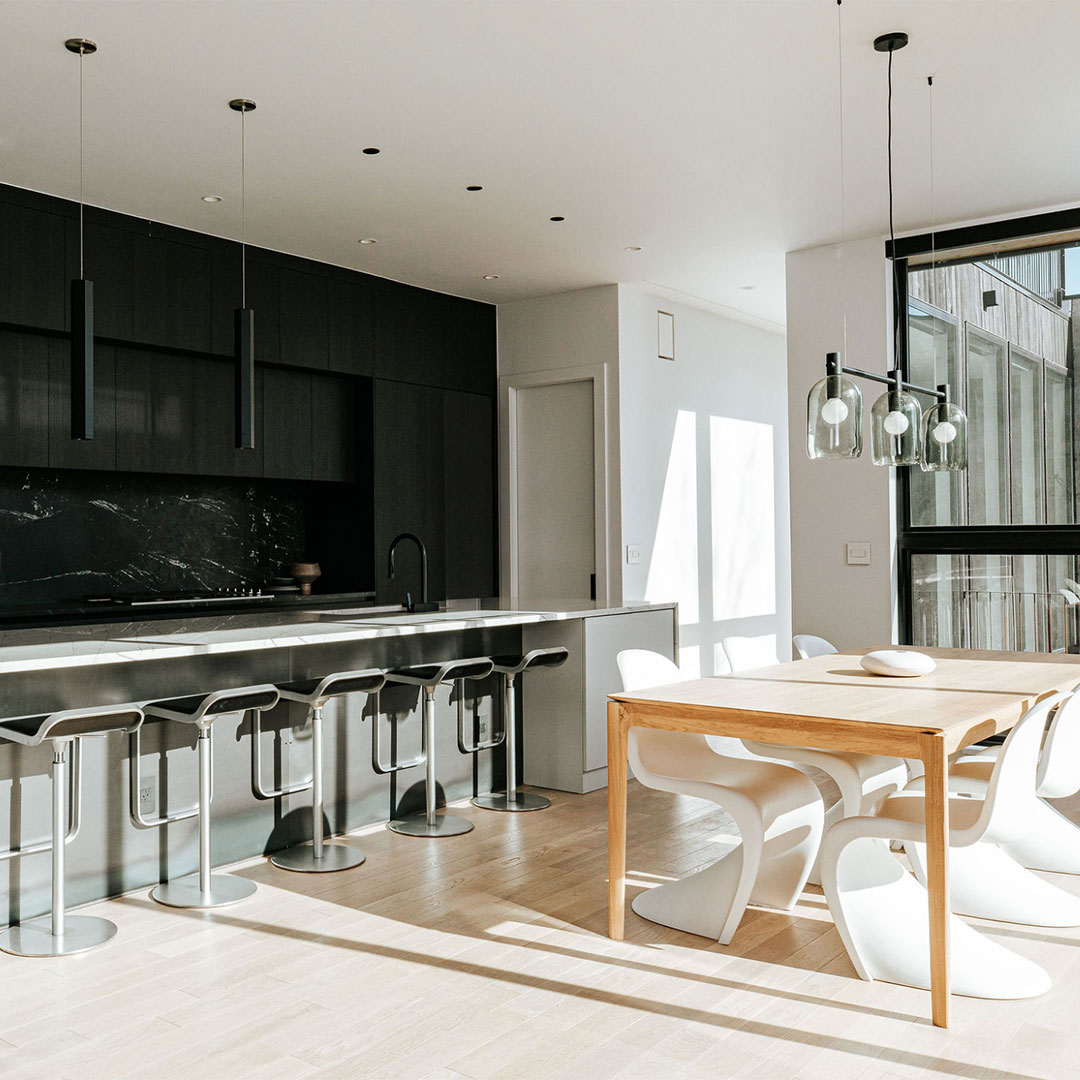
Japandi dining room reference
Soft Japandi

Lighter timber, simpler chairs, calmer table mood

More oak-like tone, cleaner table silhouette, less visual weight, and a quieter pendant language.

Pros
  • Very elegant if you want a serene breakfast-to-dinner setting.
  • Feels timeless and less trend-driven than decorative dining sets.
Cons
  • Can read slightly too informal beside a richer drawing room.
  • Needs lighting and art to bring enough personality.
Luxury dining room reference
Tailored Luxury

Heavier base, richer surfaces, stronger chandelier moment

Dining becomes more ceremonial here: more material drama, more structure, and a slightly stronger separation from the living zone.

Pros
  • Most impressive for formal entertaining.
  • Lets the dining zone feel like a deliberate centerpiece.
Cons
  • Heavier visually and less forgiving if the room proportions are tight.
  • Higher risk of chandelier-and-marble excess.
Primary Bedrooms

Bedrooms need softness, but not vagueness.

The question in the bedrooms is not whether they should be calm. They should. The question is how much structure and richness should still remain.

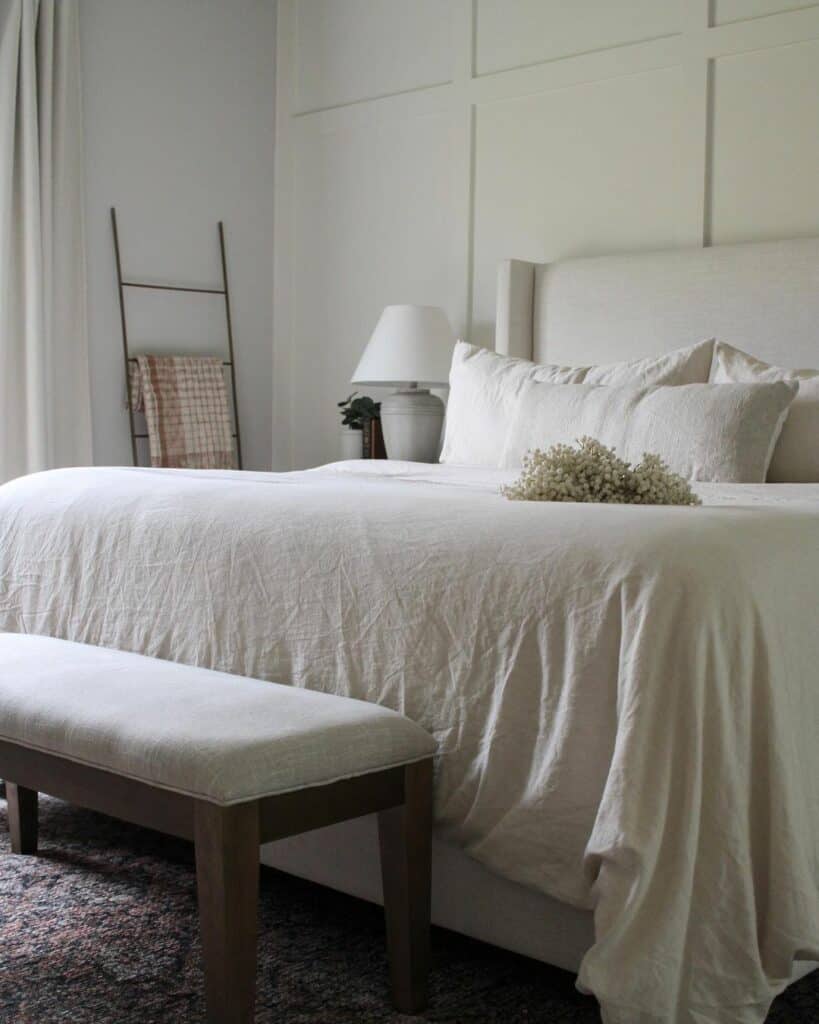
Warm modern bedroom reference
Warm Modern

Upholstered calm with walnut discipline

Soft bed wall, bench at foot, walnut accents, and enough tonal variation to feel layered instead of flat.

Pros
  • Feels restful without losing a sense of design.
  • Most adaptable to different bedroom sizes across the house.
Cons
  • Needs careful textile layering or it can drift into plain beige.
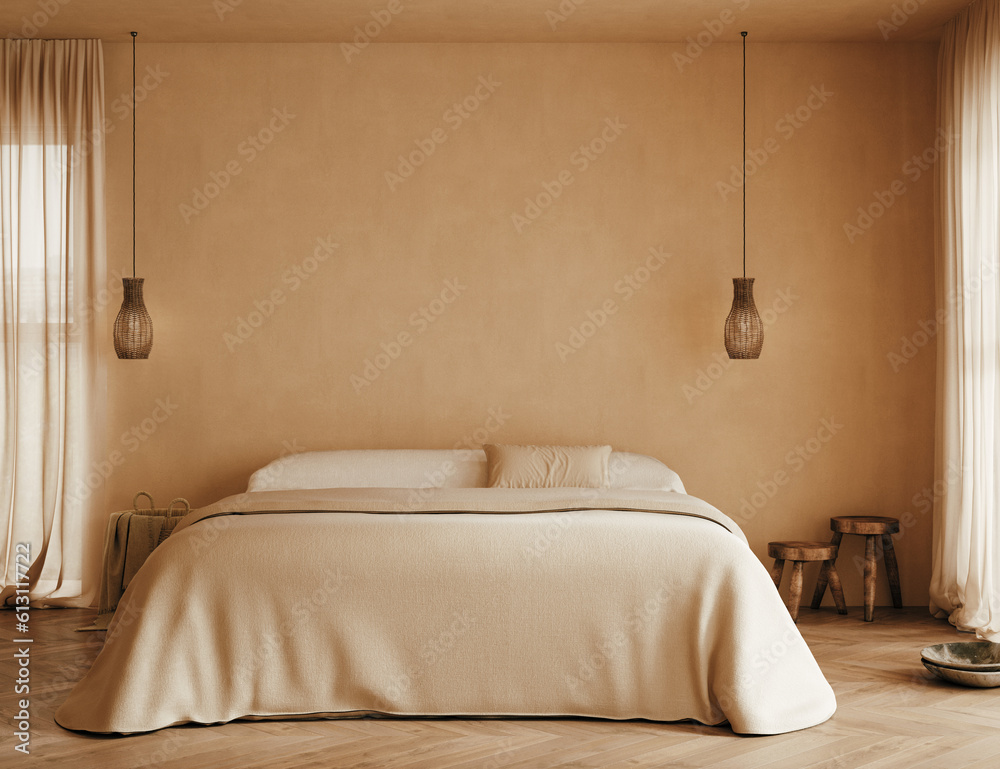
Japandi bedroom reference
Soft Japandi

Lowest visual noise, strongest sense of retreat

Lower bed posture, lighter woods, linen-like fabrics, and very little decorative clutter.

Pros
  • Probably the most naturally successful bedroom language of the three.
  • Excellent if you value restfulness over richness.
Cons
  • Can become too pale or anonymous without strong bedside and wardrobe detailing.
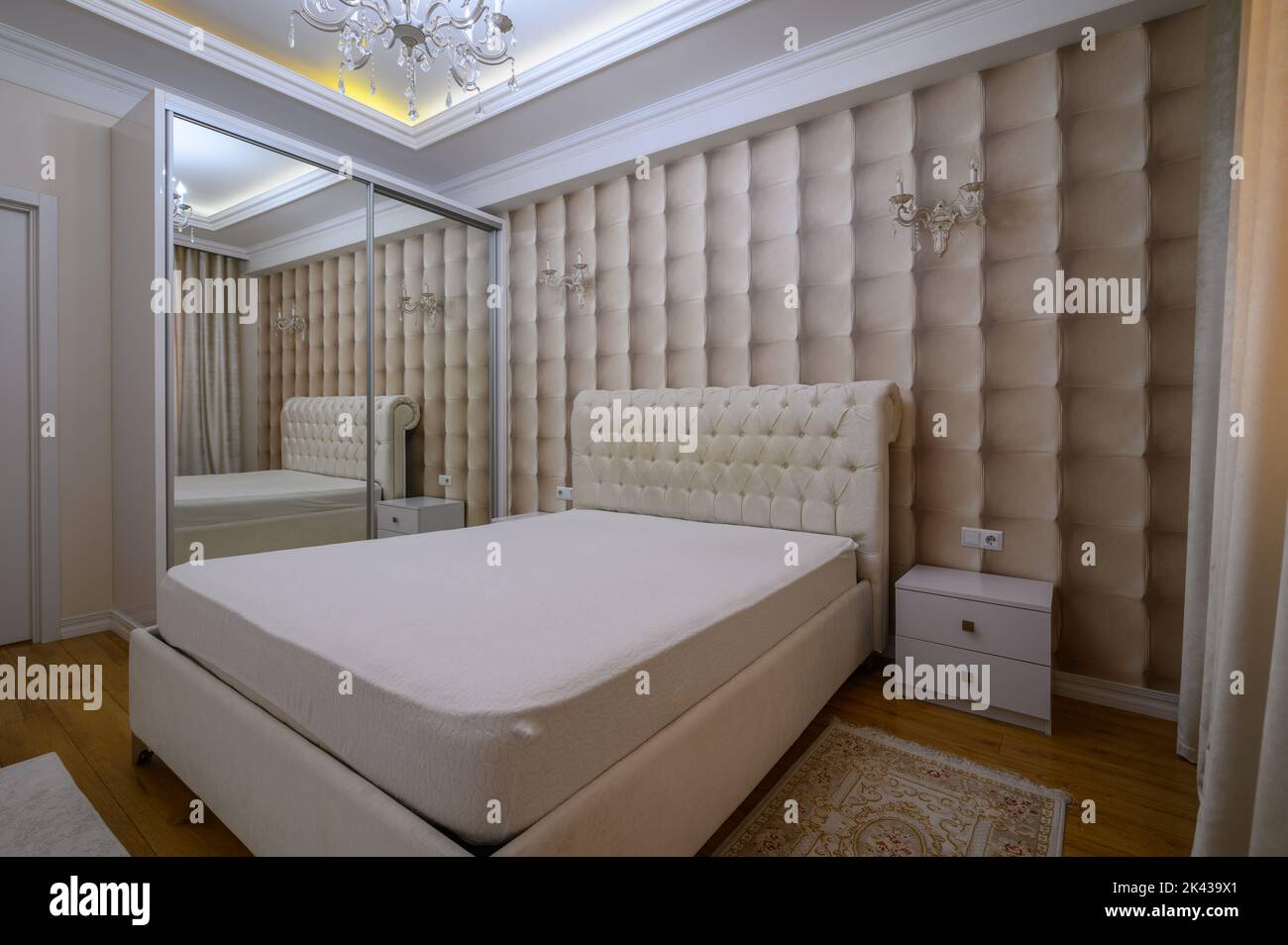
Luxury bedroom reference
Tailored Luxury

Taller headboards, richer paneling, stronger hotel mood

More built-out headboard wall, more decorative composition, and a clearer premium bedroom identity.

Pros
  • Very polished and premium when executed with restraint.
  • Works especially well for a master suite or guest suite.
Cons
  • Easier to feel too formal for daily life.
  • Can make smaller bedrooms look busier or heavier.
Daughter's Bedroom

Softness and personality matter here more than strict symmetry.

This room has permission to shift slightly in tone, but it still needs to belong to the rest of the house.

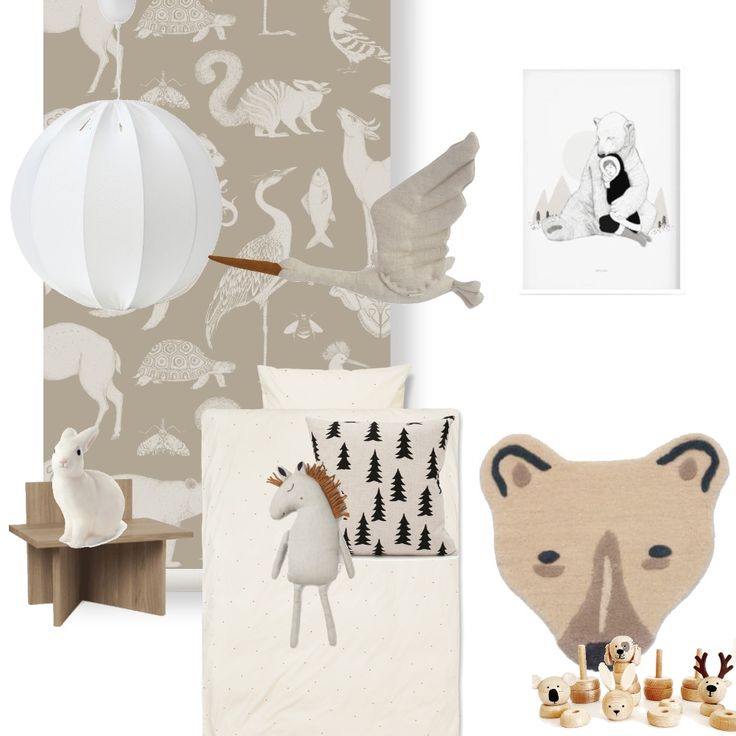
Warm modern girl's bedroom reference
Warm Modern

Soft craft cues with a grown-up neutral base

Light timber, tactile fabrics, and small accents of sage, dusty clay, or muted blush rather than loud theme colors.

Pros
  • Feels gentle and personal without becoming childish too quickly.
  • Evolves well as the room matures over time.
Cons
  • If made too neutral, it can lose the room’s sense of softness and warmth.
Japandi daughter's room reference
Soft Japandi

Calm, minimal, and highly adaptable

Even fewer decorative elements, very light wood, soft neutral textiles, and a more minimal toy/storage expression.

Pros
  • One of the most timeless kids’ room directions if you want longevity.
  • Keeps the room visually restful and easy to maintain.
Cons
  • Can feel too restrained if you want more obvious warmth or joy.
  • Needs texture and gentle artwork to avoid looking unfinished.
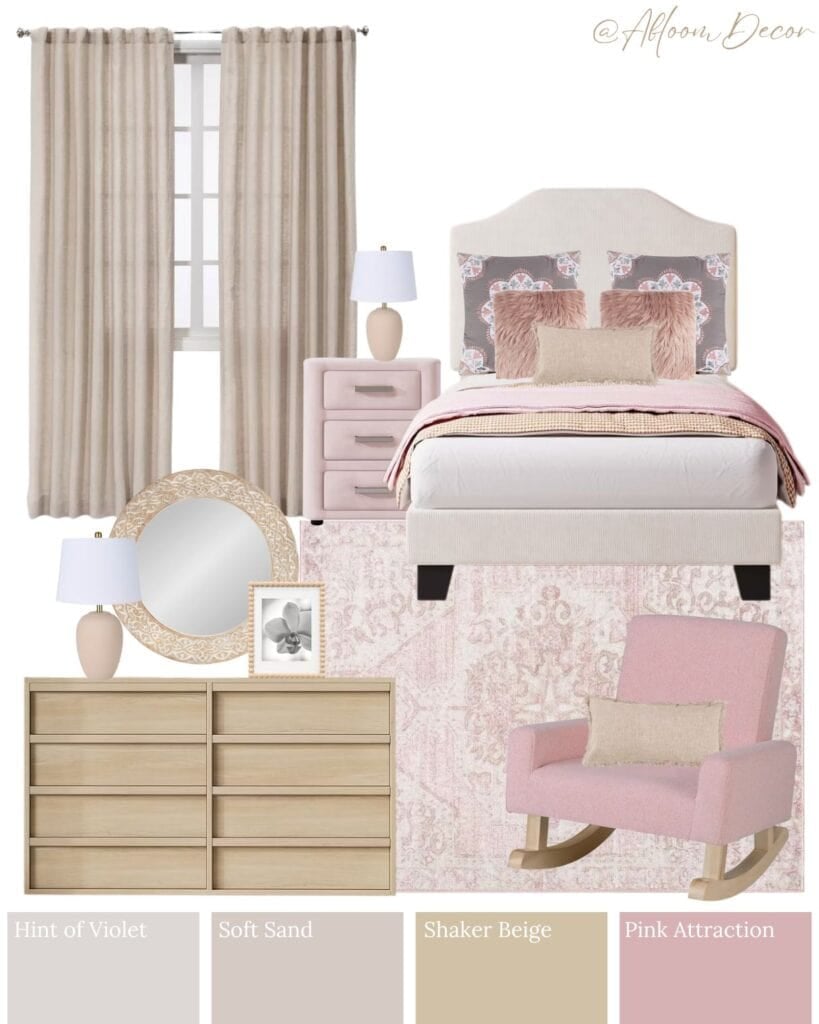
Luxury daughter's room reference
Tailored Luxury

Soft blush-beige elegance with a boutique feel

Richer drapery, more structured bed wall, and a prettier, more styled version of the room.

Pros
  • Very charming if you want the room to feel polished and special.
  • Works well with custom upholstery and layered window treatments.
Cons
  • Can become too precious or trend-sensitive.
  • Harder to keep visually easygoing than the other two options.
Mandir

The mandir should feel integrated into the architecture, whatever the language.

The best mandir solution is not necessarily the most ornate one. The real question is how sacred, calm, and permanent the composition feels within the first-floor plan.

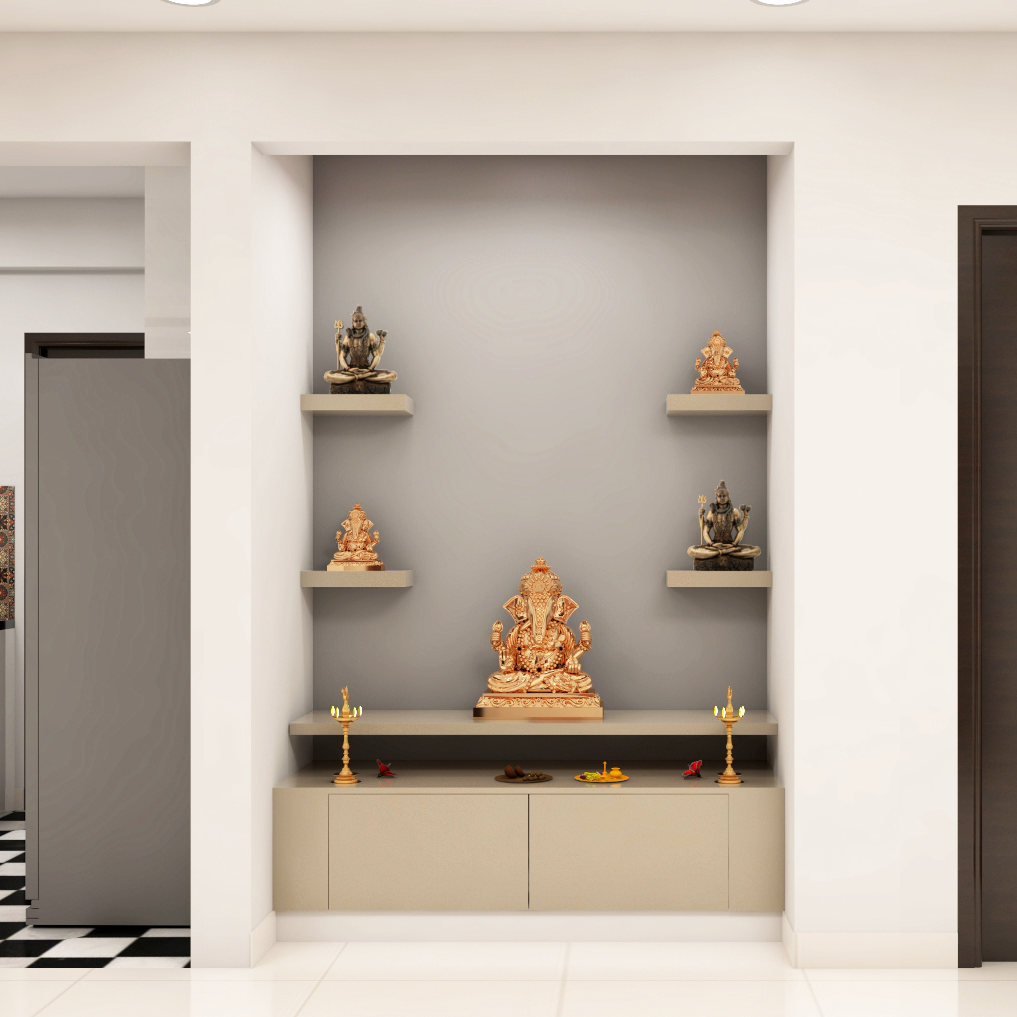
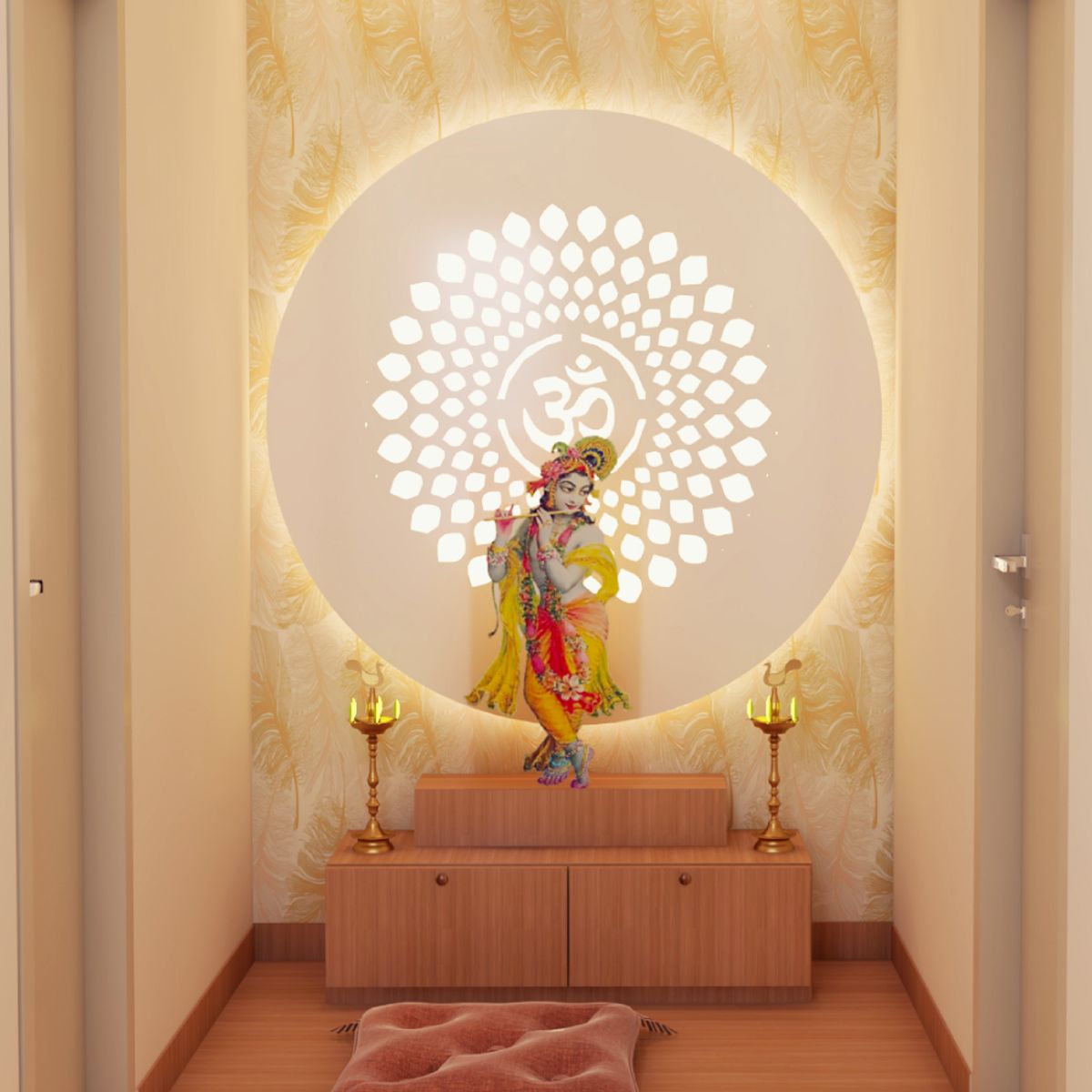
Warm modern mandir reference
Warm Modern

Fluted, calm, and quietly lit

Built-in composition with clean lower storage, light backdrop, and restrained symmetry.

Pros
  • Feels spiritual without overpowering the adjoining rooms.
  • Easiest to integrate into the overall house style.
Cons
  • If made too plain, it can lose ceremonial presence.
Light wood mandir reference
Soft Japandi

Light wood, minimal ritual geometry, softer serenity

Less contrast, lighter timber, and a temple zone that feels meditative and almost gallery-like.

Pros
  • Extremely calm and elegant.
  • Works beautifully if you want the mandir to feel quieter than symbolic.
Cons
  • Can become too understated if you want clearer sacred emphasis.
  • Needs lighting and proportions to carry the meaning.
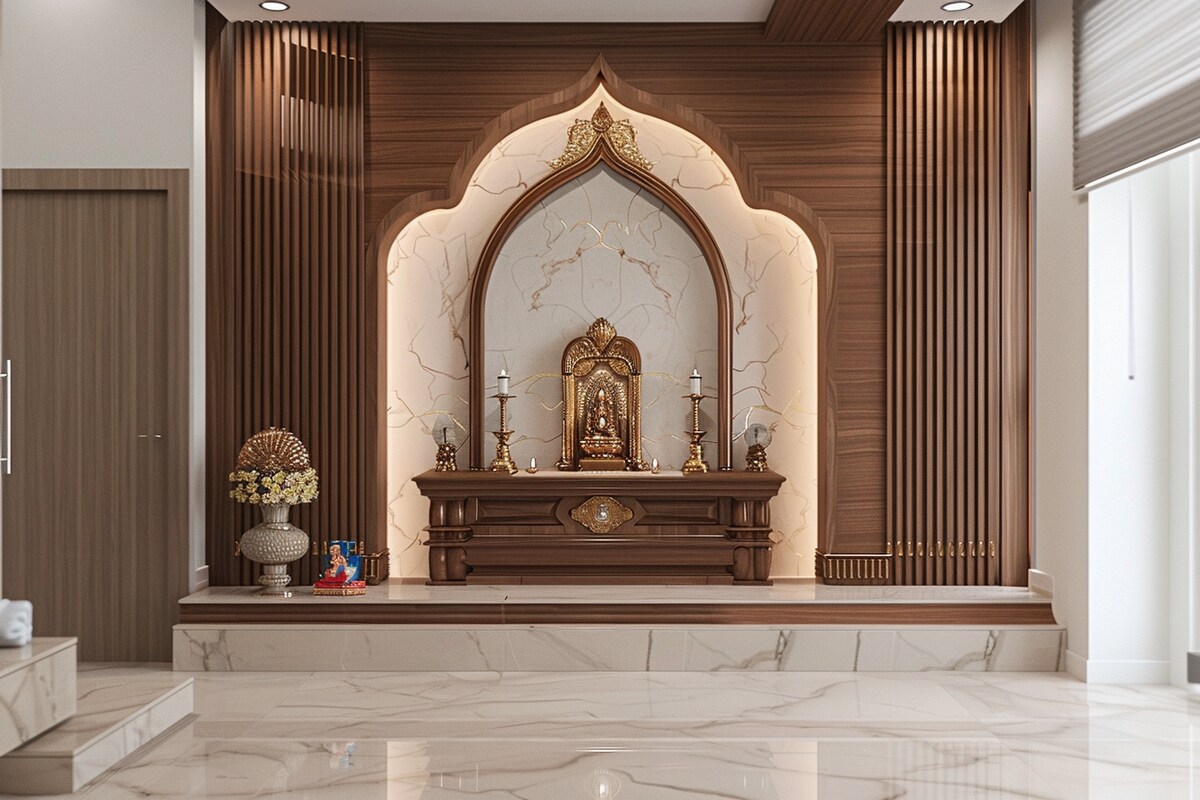
Luxury mandir reference
Tailored Luxury

Arched wood-and-marble shrine language

More visual sacred drama, stronger material hierarchy, and a more prominent identity within the room.

Pros
  • Most ceremonial and visibly premium.
  • Strong if you want the mandir to read as a landmark feature.
Cons
  • Easier to make too dominant relative to the rest of the first floor.
  • Needs disciplined material editing so it doesn’t feel theme-based.
Study + Lounge

Upper-floor work and reading spaces need the cleanest joinery discipline.

These rooms often look generic when they are treated as leftover utility spaces. They should instead feel like quieter extensions of the house.

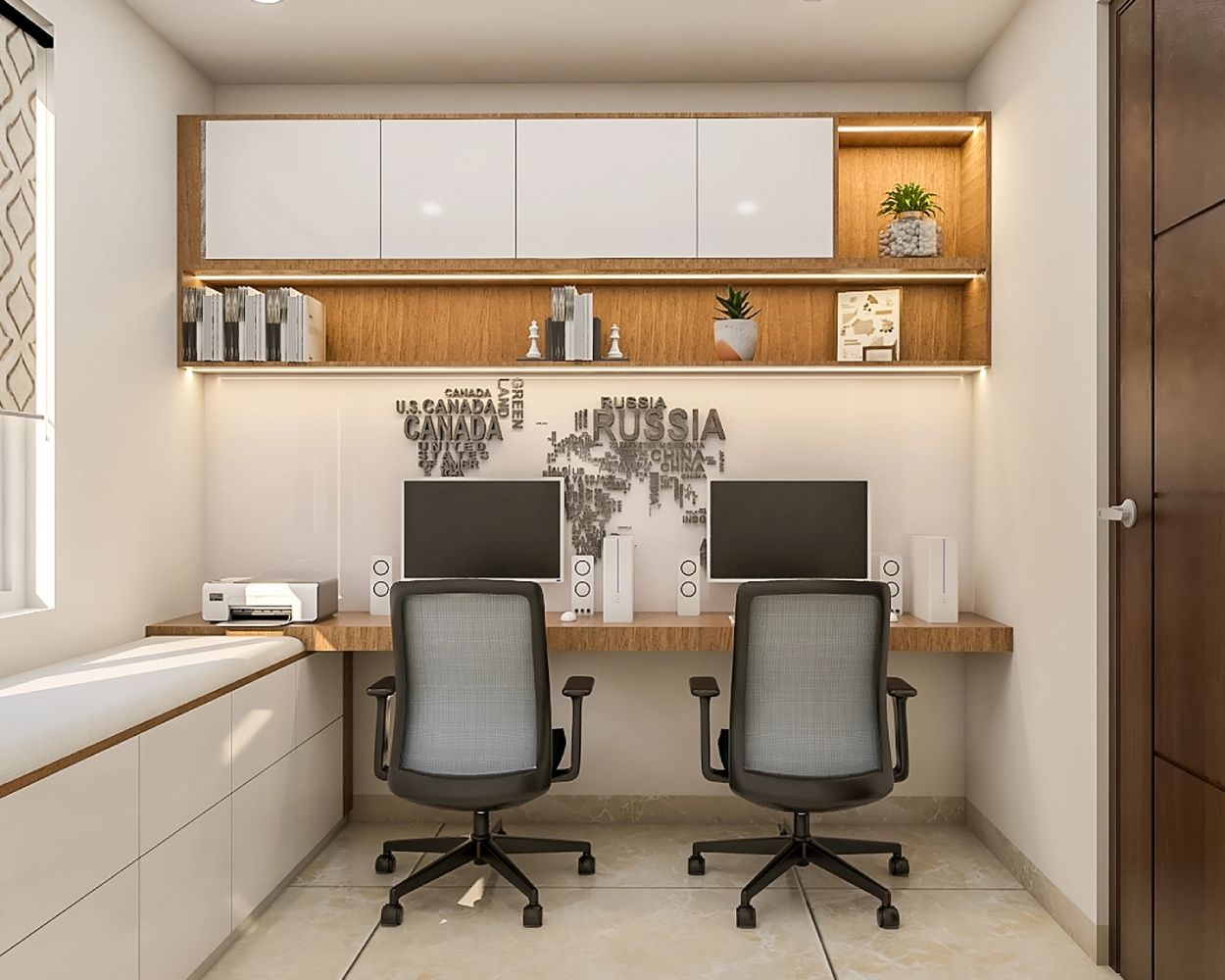
Warm modern study reference
Warm Modern

Wood plus off-white built-in clarity

One long desk, integrated upper storage, and restrained warm joinery with enough lightness to keep the room functional.

Pros
  • Best all-round balance for real work and visual cohesion.
  • Connects easily with both family lounge and bedroom floors.
Cons
  • Needs good cable and storage planning so it stays clean over time.
Japandi study reference
Soft Japandi

Quietest, most meditative work zone

Lighter wood, fewer upper cabinets, and a greater emphasis on openness, calm, and selective storage.

Pros
  • Excellent for focus and visual calm.
  • Pairs beautifully with a second-floor lounge or reading corner.
Cons
  • Can sacrifice storage density if pushed too minimal.
  • Needs custom restraint: no random office accessories.
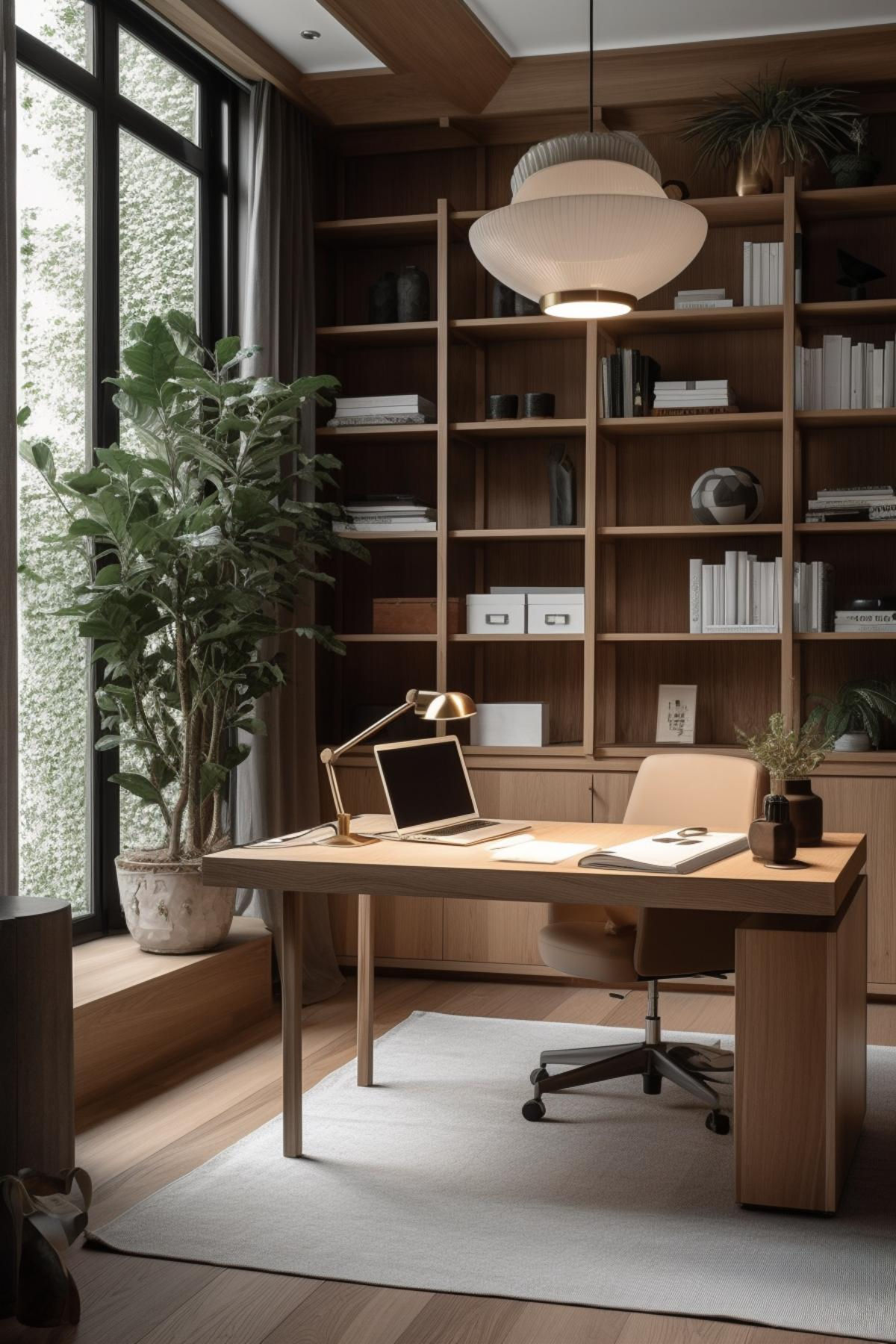
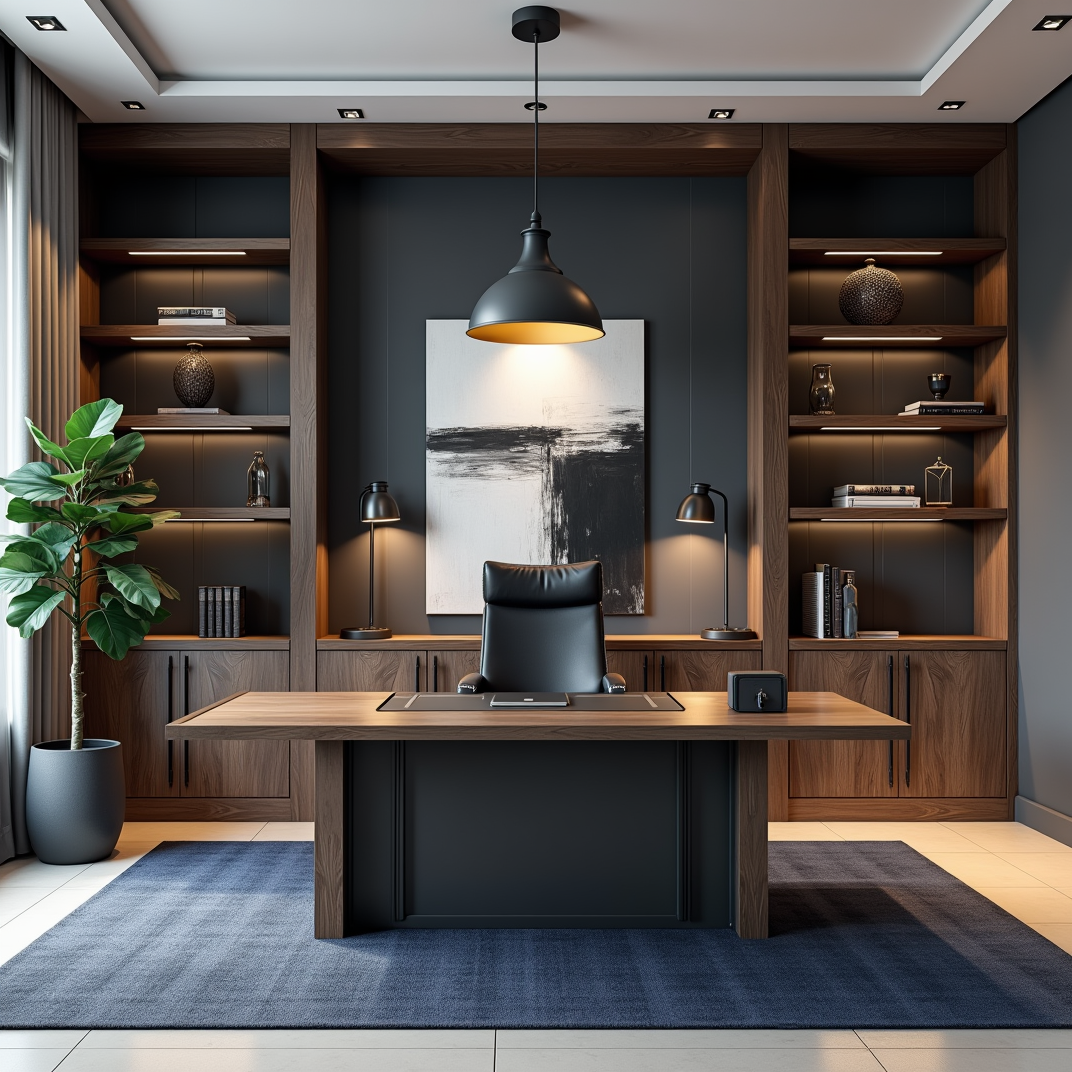
Luxury study reference
Tailored Luxury

Darker walnut, library mood, stronger presence

A richer executive feel with darker joinery, more shelving drama, and a stronger masculine-library energy.

Pros
  • Most character-rich and memorable.
  • Excellent if you want the study to feel like a destination room.
Cons
  • Can feel too dark or too formal on an upper family floor.
  • Harder to reconcile with lighter bedroom palettes nearby.
Terrace + Gazebo

Outdoor furniture should extend the house, not start a new story.

The terrace level is where many houses lose coherence. The furniture should feel lighter than the indoor floors, but still related in material temperature and silhouette.

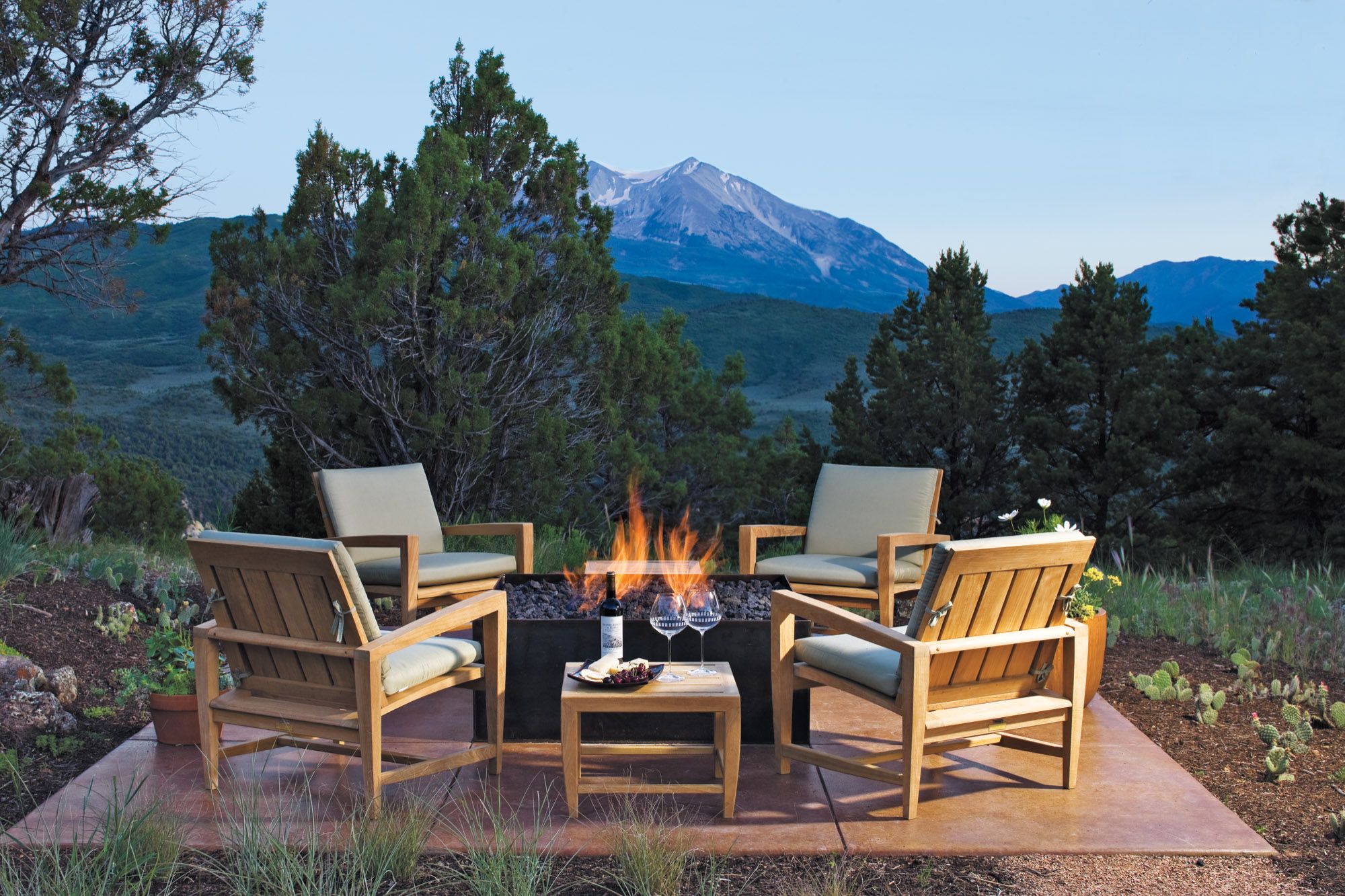
Warm modern outdoor lounge reference
Warm Modern

Resort-neutral, easygoing, and sociable

Low outdoor seating, warm wood expression, and one central gathering point like a fire or large table.

Pros
  • Best match for the existing warm palette of the house.
  • Feels relaxed without becoming rustic.
Cons
  • Needs good planting and lighting to feel finished after dark.
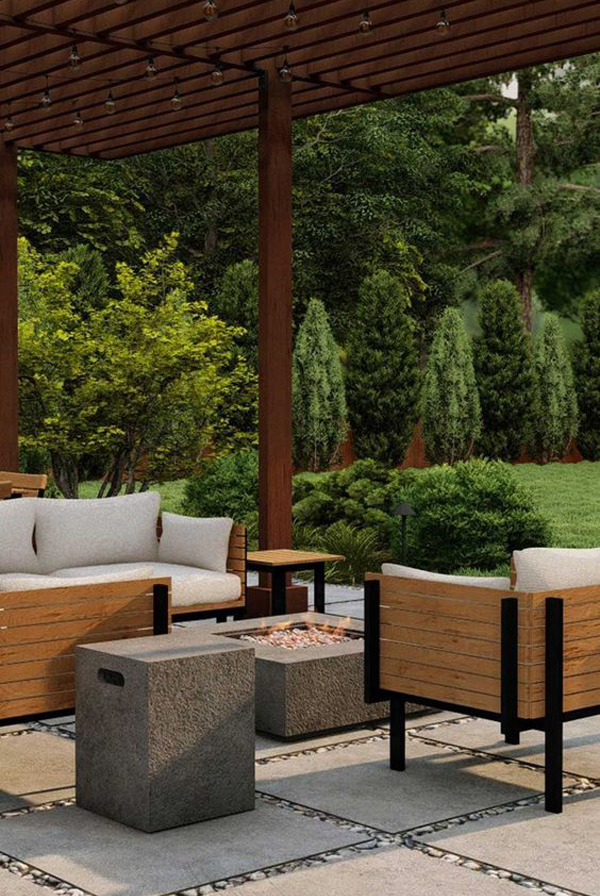
Japandi outdoor lounge reference
Soft Japandi

Zen-like, minimal, and quietly landscaped

Simpler outdoor silhouettes, natural textures, and a stronger sense of terrace-as-retreat rather than terrace-as-party space.

Pros
  • Most serene outdoor expression of the three.
  • Works beautifully if you want the terrace to feel reflective and intimate.
Cons
  • Can feel too sparse for larger gatherings.
  • Needs excellent landscape balance to avoid looking incomplete.
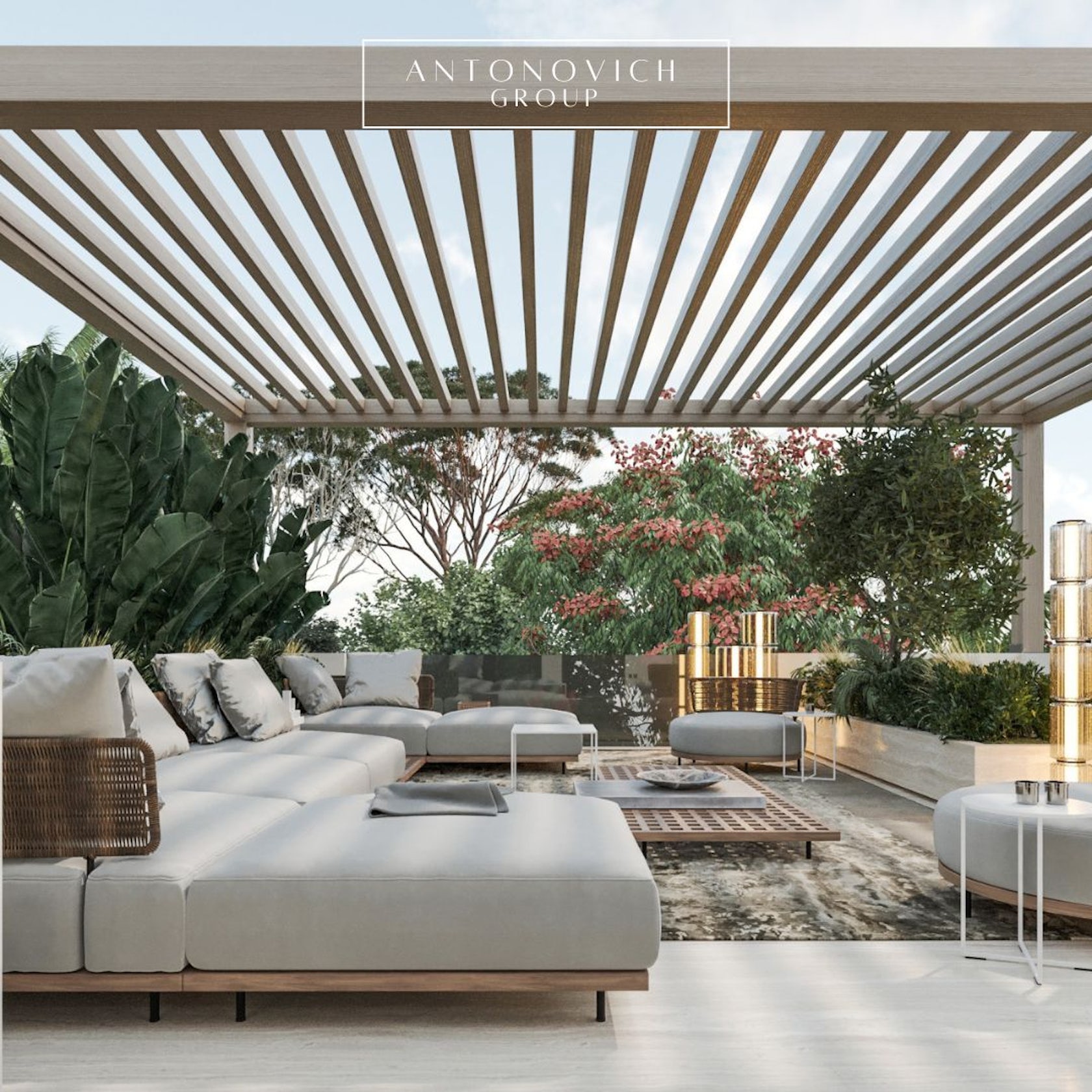
Luxury terrace lounge reference
Tailored Luxury

Most lounge-like, strongest hospitality feel

More substantial upholstery, stronger pergola or architectural framing, and a clearer “premium terrace” identity.

Pros
  • Most impressive for entertaining.
  • Can make the terrace feel like a true upper-level destination.
Cons
  • Needs weather-resistant material choices and upkeep discipline.
  • Can feel too formal if the family wants a more casual terrace lifestyle.
Furniture Pieces

How each language changes the actual furniture you buy or build.

This table is the practical translation layer. It shows how the three languages change the shape, material, and risk profile of the key pieces throughout the house.

Piece Warm Modern Indo-Contemporary Soft Japandi Natural Tailored Contemporary Luxury
Sofa profile Clean straight arms or gently curved corners, neutral fabric, slimmer base. Pros: balanced and versatile. Cons: can become too safe if oversized. Lower sofa, softer geometry, lighter tone, more negative space around it. Pros: calm and timeless. Cons: can underplay formality. More sculpted or structured sofa with stronger presence. Pros: premium and guest-ready. Cons: easier to make heavy or too “set-like.”
Coffee / centre table Rounded stone-and-wood or mixed-height pairing. Pros: warm and welcoming. Cons: needs proportion control. Simpler, lower, lighter-looking table in oak, ash, or soft stone. Pros: uncluttered. Cons: can disappear visually. Richer stone, thicker top, stronger base. Pros: statement piece. Cons: more visually weighty and maintenance-sensitive.
Dining table Walnut oval or softened rectangle, 8-seater. Pros: works across formal and informal meals. Cons: needs chair scale discipline. Lighter wood, simpler slab or round-edge top. Pros: elegant and airy. Cons: may look less ceremonial. Heavier base, stronger stone or veneered expression. Pros: high impact. Cons: can crowd the room if oversized.
Dining chair Upholstered neutral chair with slim timber legs. Pros: most adaptable. Cons: needs good upholstery selection. Cleaner silhouette, lighter timber, less padding. Pros: very refined. Cons: may feel visually slight. Richer upholstery, bolder silhouette, possibly armchairs at ends. Pros: formal. Cons: easy to overstyle.
Bed + headboard Upholstered headboard with walnut frame or side panels. Pros: restful with structure. Cons: can feel plain if textile layering is weak. Lower, more minimal bed wall with lighter timber. Pros: strongest bedroom serenity. Cons: needs craftsmanship to avoid looking generic. Taller headboard, more paneling, stronger symmetry. Pros: premium suite feel. Cons: can feel too hotel-like in every bedroom.
Wardrobes Full-height, flat or lightly fluted fronts, integrated handles. Pros: coherent and buildable. Cons: needs consistency of finish. Very plain fronts, lighter timber or painted balance. Pros: visual quiet. Cons: can look bland if nothing breaks the plane. More framed shutters, richer materials, maybe metal detailing. Pros: luxurious. Cons: highest risk of visual heaviness.
TV / media unit Low long unit with walnut paneling or integrated wall. Pros: warm and tidy. Cons: can over-darken if too much timber accumulates. Minimal ledge-like unit and lighter feature wall. Pros: calmest. Cons: needs concealed storage elsewhere. Paneled media wall with stronger framing and stone/metal accents. Pros: statement-ready. Cons: easiest to over-compose.
Mandir joinery Fluted, balanced, softly lit. Pros: sacred and integrated. Cons: can become too plain. Light wood, minimal shelves, meditative composition. Pros: serene. Cons: less ceremonial impact. Arched marble-wood shrine with stronger material drama. Pros: most special. Cons: can dominate the room.
Study desk + storage Warm wood plus off-white balance, full built-in wall. Pros: best work/life balance. Cons: needs disciplined storage planning. Minimal desk and selective storage. Pros: clean focus. Cons: weaker if heavy functional storage is required. Darker walnut, library tone, stronger shelving. Pros: high character. Cons: can feel too formal for daily family use.
Outdoor seating Neutral resort-style lounge pieces. Pros: sociable and easy. Cons: relies on styling and lighting to shine. Minimal timber or woven seating with zen tone. Pros: calm and elegant. Cons: may underperform for large hosting. Substantial lounge seating, stronger upholstery, hotel-terrace feel. Pros: most impressive. Cons: higher upkeep and weather risk.
Practical reading of the table: the Warm Modern route is the easiest to keep coherent across every piece. Japandi is strongest in bedrooms, mandir, study, and quieter corners. Tailored Luxury is strongest when used selectively in the drawing room, dining, and possibly the mandir rather than across the entire house.
Recommendation

The strongest decision is probably a controlled hybrid, not a pure single-style house.

If the goal is to make the house beautiful, coherent, and practical over time, the safest pure whole-house path is Warm Modern Indo-Contemporary. It best matches the floor program, the room hierarchy, and the balance between formal entertaining and everyday family use.

  • Use Warm Modern as the base language across the house: walnut, sand, ivory stone, integrated wardrobes, quieter brass.
  • Borrow Japandi selectively in primary bedrooms, daughter’s room, study, and some second-floor lounge decisions to increase calm.
  • Borrow Tailored Luxury selectively in the drawing room, dining, and a more architecturally expressed mandir if you want stronger public-floor presence.

In other words: do not make the entire house luxury-heavy, and do not make the entire house Japandi-light. Build the house on Warm Modern, soften the private rooms with Japandi restraint, and use small doses of luxury where ceremony genuinely helps.

Source Log

Visual references grouped by room and language.

Links below are the source pages for the images used in this document. Some are portfolio or inspiration pages rather than product listings; they are intended as style references, not exact procurement recommendations.

Project basis used for room mapping

  • FURNITURE LAYOUT-1.pdf: conceptual four-page furniture layout dated August 2, 2024, used as the base room map for this dossier.
  • PROJECT_REFERENCE.md: used to cross-check room naming caveats and note that later MEP/electrical sets can refine or rename some spaces.

Whole-house language anchors

Drawing room + family living

Dining + bedrooms

Daughter's room + mandir + study + terrace

Web references were pulled and checked during this session on March 26, 2026. The images in this document are local copies for comparison use inside the project workspace, while the source pages above remain the canonical references for origin and context.